
A coworker mentions “doing dhikr” after prayer, or you hear SubhanAllah when the elevator finally arrives. What is dhikr in that moment? This bridge page names the idea in everyday speech, then sends you to the right expression leaf. No bead counts, no post-salah checklists, no tariqa manuals.
One-sentence map
Dhikr is remembering Allah aloud or in the heart, often through short phrases that praise, glorify, or turn attention back to Him. Wikipedia’s Dhikr article describes it as worship centered on repetition and mention of God. Quran 13:28 links hearts finding rest to that remembrance. Formal sessions with counted repetitions are worship topics outside this site’s speech lens.
How it sounds in English conversation
Dhikr-flavored lines often appear once, tied to something you just saw or felt:
SubhanAllah. That storm came out of nowhere.
Astaghfirullah. I should not have snapped at you.
That is speech, not a performance for an audience. Interpersonal Adab around those lines sits in Islamic etiquette of speaking.
Lines on this site that usually remember (not ask)
| You heard | Open |
|---|---|
| SubhanAllah | SubhanAllah |
| Alhamdulillah | Alhamdulillah |
| Allahu Akbar | Allahu Akbar |
| Astaghfirullah | Astaghfirullah |
| Bismillah (opening) | Bismillah |
Wikipedia’s phrase table also lists Inshallah and Mashallah. Live talk blurs borders. Ask what the speaker seemed to do: declare Allah’s names and traits, or ask for something (see what is dua).
Dhikr vs dua (one line each)
Dhikr tilts toward remembering and declaring. Dua tilts toward asking. Neither bridge page grows into a curriculum.
Hard stops for this leaf
No prescribed counts. No tasbih shopping guide. No Ramadan dhikr timetable. Phrase index: common Islamic expressions. Why Arabic persists in English chat: why Muslims use Arabic expressions.
Common questions
Is every Alhamdulillah dhikr?
Encyclopedia language treats praise of Allah as remembrance. In a chat app it may also be simple gratitude. The Alhamdulillah leaf covers speech without forcing one legal label.
Do I need beads?
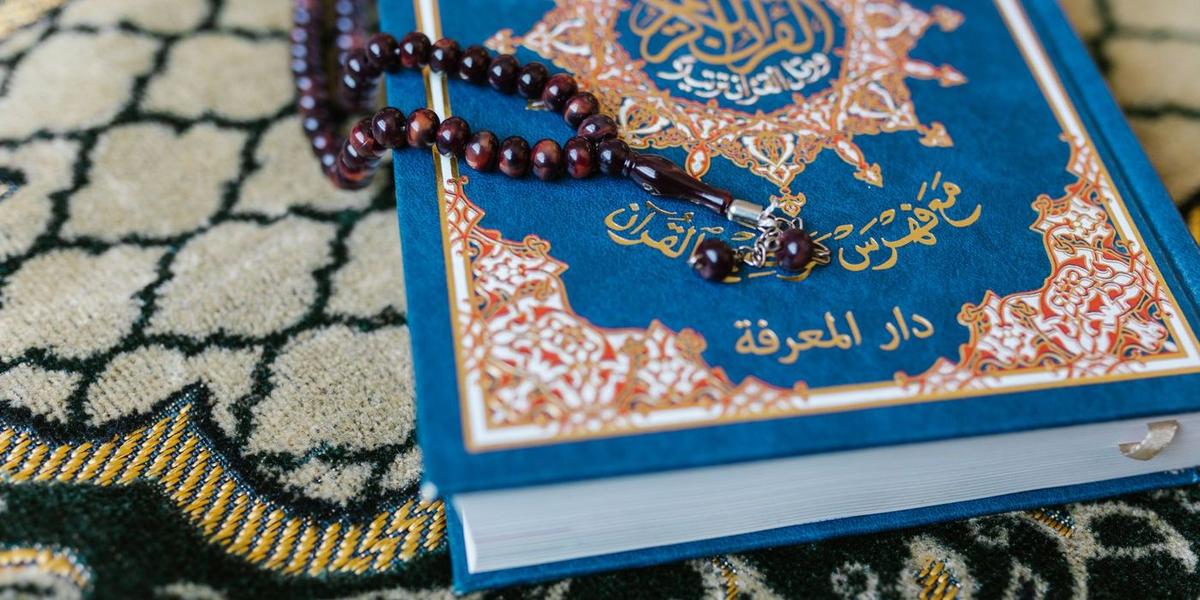
Wikipedia notes counting on fingers or prayer beads. Many Muslims say a line once with no counter. This site does not rank methods.
Where is the full phrase list?
Not here. Use common Islamic expressions for live leaves today.