
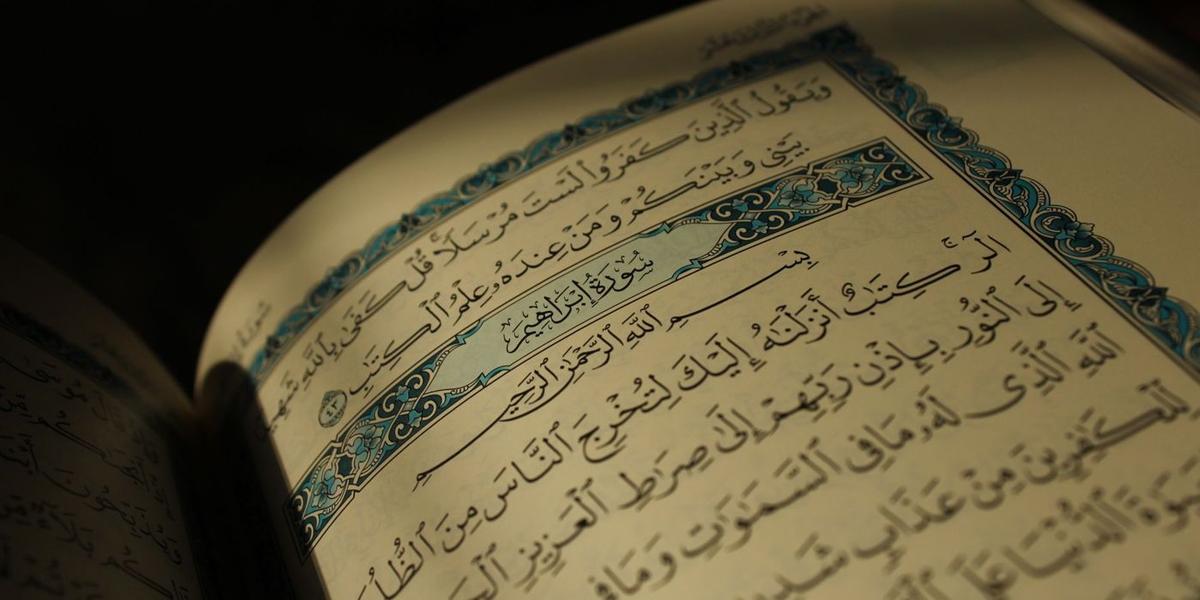
Alhamdulillah is a common phrase in Muslim speech: after good news, when someone asks how you are, or when you want to mark a blessing without a long speech. It means all praise is for Allah. In English that sits closer to praise-plus-gratitude than a casual “thanks.” For the wider habit of keeping Arabic phrases in English conversation, see why Muslims use Arabic expressions.
What does Alhamdulillah mean?
Wiktionary glosses Alhamdulillah as “praise be to God” and “thank God.” A clearer line for this page is the Quranic opening of Al-Fatihah: “All praise is for Allah, Lord of all worlds” (Quran 1:2, Clear Quran).
“Thank God” works in some English conversations, especially for relief. It is still incomplete. The Arabic centers on hamd (praise directed to Allah), not only thanks for one favor. People say Alhamdulillah about a job offer, an ordinary Tuesday, or a hard week they are still getting through.
How is Alhamdulillah written and pronounced?
Arabic (ordinary display form on this site):
ٱلْحَمْدُ لِلَّهِ
You’ll also see الحمد لله without full vowel marks. English spellings include Alhamdulillah, Alhamdu lillah, and Al-hamdu lillah. They point to the same wording; keep them on this one page.
Approximate pronunciation: al · ham · du · lil · laah. Learn precise Arabic sounds from a teacher if you need recitation accuracy. This guide is conversational, not tajwid.
The Quranic Arabic Corpus morphology notes for Al-Fatihah 1:2 gloss al-ḥamdu as “all praises and thanks” and lillahi as “to Allah,” then rabbi l-ʿālamīn (“Lord of the worlds”). Full tooling lives on corpus.quran.com under that verse. Wikipedia notes the traditional name Tahmid for saying this praise, and the longer Fatihah form al-ḥamdu lillāhi rabbi l-ʿālamīn.
When do Muslims say Alhamdulillah?
Common situations: hearing good news, answering “How are you?”, marking relief after illness or worry, after a meal, and (separately) after sneezing (next section).
Good news:
Alhamdulillah. I finally heard back. I got the role.
Answering “How are you?”:
Alhamdulillah, I’m doing okay. How about you?
Relief after a hard stretch:
Alhamdulillah, the scan came back clear.
These are ordinary conversation examples, not scripture.
Where does Alhamdulillah appear in the Quran?
The best-known occurrence is the second verse of Surah Al-Fatihah (Quran 1:2). Praise comes before the request for guidance later in the surah. The phrase is not only a reaction to getting what you wanted.
Wikipedia lists related openings elsewhere in the Quran (for example beginnings that open with praise of Allah). This page does not expand into full tafsir of those passages.
How do you respond to Alhamdulillah?
Context decides. If someone says Alhamdulillah about their own news or wellbeing, they are usually sharing gratitude, not asking for a fixed religious formula back.
I’m really glad to hear that.
Alhamdulillah. That’s wonderful news.
If you’re not Muslim and prefer plain English, a sincere acknowledgment is enough:
I’m happy for you.
After someone sneezes
Sneeze etiquette is different from ordinary gratitude chat. Abu Huraira narrates in Sahih al-Bukhari (hadith 6224) that a person who sneezes should say Al-Hamdu lillah; a companion replies Yarhamukallah (“May Allah bestow his Mercy on you”); then the sneezer says Yahdikumullah wa yuslih balakum (“May Allah give you guidance and improve your condition”).
Yarhamukallah
That exchange belongs to the sneeze situation. It is not a claim that every “Alhamdulillah” in conversation must be answered the same way. Full Situation page: what to say when someone sneezes.
Alhamdulillah compared with Mashallah and Inshallah
Mashallah names admiration of something good that already is: “what Allah has willed,” as in Quran 18:39. Alhamdulillah is praise and gratitude, often about your own state or a blessing you are acknowledging.
Inshallah looks forward: “if Allah wills,” when speaking about a plan or hope. Alhamdulillah looks at what you are recognizing now (a result, a condition, a relief) rather than a future intention.
A rough map: Mashallah admires, Inshallah hopes or intends under Allah’s will, Alhamdulillah praises and gives thanks. Ameen seals a dua. SubhanAllah exalts Allah and marks wonder. Astaghfirullah seeks forgiveness. Allahu Akbar magnifies Allah’s greatness. JazakAllahu Khairan thanks someone by asking Allah to reward them. Barakallahu Feek asks Allah to bless someone. Allahumma Barik asks Allah to bless what you admire. Inna Lillahi names belonging and return in calamity.
Does Alhamdulillah mean everything is fine?
No. People say it when life is messy. The phrase can mark trust or gratitude without claiming every detail is easy. It also does not replace thanking a person who helped you. You can thank a friend and still say Alhamdulillah about the outcome.
We are not using this page to invent rules about sarcasm, non-Muslim usage, or every regional nuance. Where evidence is thin, we leave the question open. See our editorial policy.
Common questions
Why do English spellings differ?
Alhamdulillah, Alhamdu lillah, and Al-hamdu lillah are Latin-script renderings of one Arabic line. Searching any of them should land here.